Category: Blog

  • How Longspan Shelving Improves Warehouse Storage Optimisation

    How Longspan Shelving Improves Warehouse Storage Optimisation

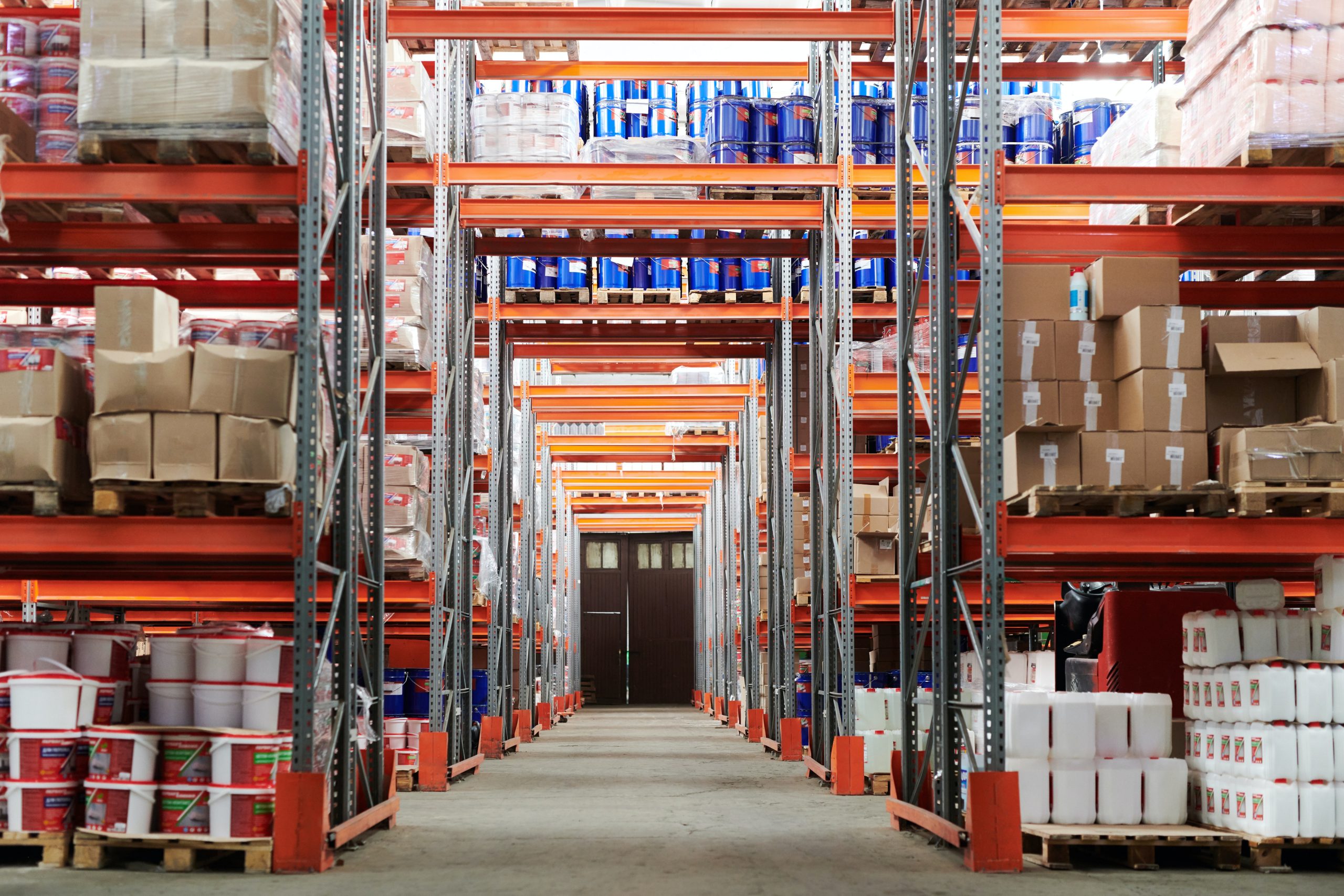
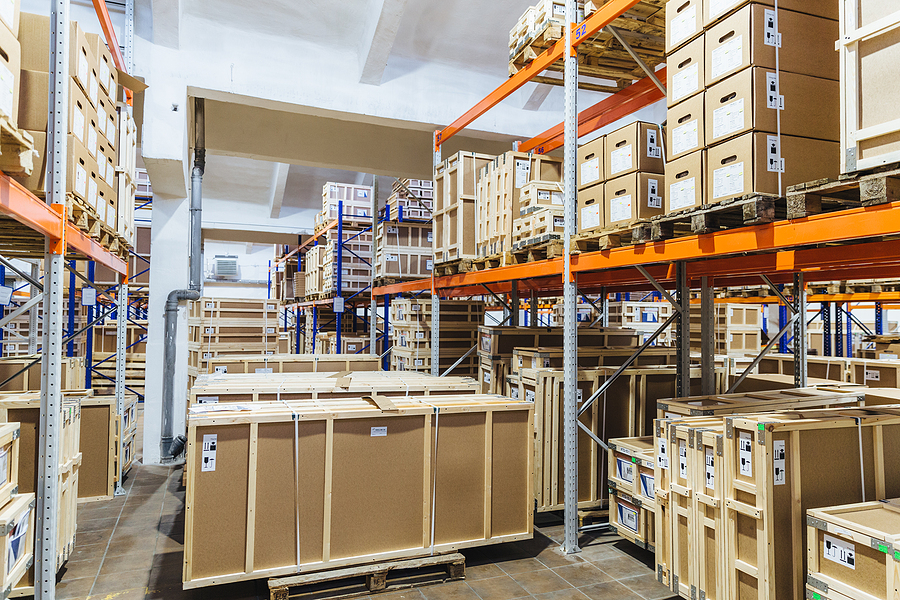
    Getting the most out of the space available in a warehouse is essential so that businesses can stock as much as they can without having to upgrade to a bigger storage unit. 

    When it comes to choosing the right products to use in the warehouse so that as much can be stored there as possible, your first consideration should be longspan shelving. To find out why, read on. 

    • Hold a lot of weight

    One of the biggest reasons to fill the warehouse with longspan shelving is because it is well known for being able to hold lots of weight. 

    For instance, they can handle up to 800kg, which means you do not have to worry about your shelving buckling under the pressure of your goods. 

    While it is still important to keep track of how much weight you are putting on to the storage solution, you are unlikely to go over this amount unless each load is considerable. 

    Therefore, you can feel confident your shelving will be able to survive for a long time if you stick to the weight limit. 

    • Durable

    Indeed, longspan shelving is incredibly popular as it is long-lasting. As it is typically made from galvanised steel, it is highly durable and able to withstand a lot of knocks. In fact, it has a ‘life expectancy’ of 250 years.

    It can handle high volume usage, so you can rest assured it will stand the test of time, no matter how much it is used or how many times goods are replaced on the shelves.

    • Easy to maintain

    Another bonus for warehouse staff is that it is very easy to maintain. As it is designed to last a long time, it is unlikely to need repairing. Subsequently, there is a smaller chance of it being damaged by tools. 

    As it is made from steel, it is also easy to clean, and is not likely to deteriorate quickly. If it is cleaned and inspected regularly, it should look and work as well several years later as it did when it was new. 

    • Visibility

    Longspan shelving systems, no matter what width or depth is chosen, have an open design. This means goods can be placed underneath or on top of the shelves.

    This also makes goods more visible, creating a more organised and easier to understand inventory system. It also means stock rotation is simpler, as the products can be seen more easily.  

    • Adjustable

    Longspan shelving is ideal for warehouses, as they can be put together in a way that suits the goods and the space best. 

    The modular design means that more shelving can be added; it can be reconfigured into different designs, if required by new stock; and it can be customised. 

    For instance, you can use extra wide shelves for bulky products or narrow ones for smaller goods, depending on the stock being stored in the unit at any one time. This makes it much more flexible for businesses, especially if they change their goods from time to time or seasonally. 
  • Does The Condition Of Pallets Matter When Using Rack Shelving?

    Does The Condition Of Pallets Matter When Using Rack Shelving?

    In most large supermarkets and logistics centres, stockroom shelving is designed around the pallet, with products stored efficiently and carefully around its square surface area.

    It is difficult to find any logistics system that does not rely on pallets as a way to easily transport goods via forklift to and from racking systems, but whilst this is the case, you must not take pallets for granted.

    Ubiquity is not an excuse for neglect and the consequence of not taking pallet quality as seriously as every other element of the warehouse can be dire.

    Why Are Poor Quality Pallets Used?

    Wooden pallets are typically designed to be recycled, and they are often robust enough that they can be used multiple times so long as there are no signs of damage or distress.

    Pallet boards are subject to a lot of wear and tear and can split, but at the same time, individual boards can be replaced with a like-for-like replacement.

    However, sometimes these important stages of inspection, replacement or repair are neglected, and this can be for a few reasons.

    The most common reasons revolve around false economy, where a pallet is expected to be used until it is obviously too broken to be reused any further.

    Whilst it is wasteful to throw out new pallets, overusing pallets is not only potentially dangerous but could ultimately become more costly in the long run.

    Consequences Of Faulty Pallets

    If stringers or planks are fractured, nails are missing or protruding, or support blocks are out of alignment, it can cause a huge number of problems to your existing racking and potentially lead to a serious hazard.

    Pallet racking is not only necessary for forklifts to actually carry a load, but they are often important to space out the load on a pallet rack to ensure that the load is appropriately spread across the entire length of the rack

    In the worst-case scenario, a faulty pallet, the least expensive but most critical part of logistics, could fail and cause loads to fall. Given the sheer height many pallet racking systems are stacked, the potential consequences are devastating, especially if the racking is used in a retail environment.

    As well as this, some pallet racking systems operate by using a flow system to move loads on racks from one part of the office or stockroom to another, but this is predicated on an even pallet surface.

    If there are fractures or loose elements, they can jam the pallet rack, leading to expensive disruptions and the need to schedule a very careful repair procedure.

    Ultimately, neglecting pallets is the ultimate example of saving pennies that cost pounds, and a robust inspection system should be in place to check the condition of pallets in the same way that forklifts cannot be operated without a thorough inspection before and after use.

    In the end, pallet condition is critical when using pallet racking in order to ensure safe and orderly operation, and in most use cases pallets that are used will be in a sufficient condition to be used without any issue or incident.

  • What Is A Sacrificial Leg And Can It Save Money On Shelving?

    What Is A Sacrificial Leg And Can It Save Money On Shelving?

    Whilst there is a wide assortment of industrial storage shelves available on the market suitable for most industrial and high-density logistics purposes, with bespoke solutions available to cater to the rest.

    The modern warehouse, designed around the trinity of the forklift, the standardised pallet and adjustable high-density racking, allows for increasingly heavy goods to be stored quickly up to the heavens in narrow aisles to maximise the efficiency of utilised space.

    However, as the expected speed and efficiency of operations in a warehouse increase, the smaller the margin of error becomes, and the risk and impact of an accident increase alongside it.

    To avoid dangerous and costly accidents one solution found with heavy-duty shelving is sacrificial legs, but how do they work and how can they save a company money?

    Protective Redundancy

    Aside from the differences in load capacity and some design elements, shelving fundamentally consists of vertical uprights and horizontal beams, which are connected to each other in various ways to allow loads to be placed and later picked.

    The weight is carefully and delicately spread across the uprights to ensure that they are not overladen and therefore will not in normal conditions buckle and break under the weight. If an upright breaks, it could potentially cause the entire racking unit to fall over, with consequences that range from merely terrible to catastrophic.

    This is a particular concern for rack shelving because forklifts are heavier and more difficult to manoeuvre than people picking and packing on foot.

    This means that the lowermost metre of the upright is at risk of being bumped or crashed into, which typically means a complete stop of work to unload the run of shelving for safety reasons.

    A sacrificial leg, true to its name, provides protective redundancy as a protective shielded element bolted to the front of the upright. 

    This element provides protection similar to a crumple zone, in the sense that it absorbs and displaces the impact and means that the structural, load-bearing upright element is protected from harm.

    Once it has suffered an impact, it can be removed and replaced with a new sacrificial leg section without having to do anything to the rest of the frame itself.

    This saves money in two critical ways. The first and most obvious is that it prevents damage to the shelving upright itself, and given that the sacrificial leg is smaller it requires less metal to make and is therefore cheaper.

    The other important factor to consider is how much it saves money by saving time. Replacing an entire run of industrial shelving is extremely time-consuming as it involves carefully unloading everything on the rack, moving the rack out of the main warehouse area and installing a new unit of shelving.

    During this time, a section of the warehouse is effectively off-limits, and given how efficient modern supply chain logistics are, this can have a domino effect that leads to further slowdowns at the end of the chain, losing money for a business.

    Contrast this with the relative ease of unbolting a sacrificial leg and fitting a new one, which is a task that can take far less time by comparison.

  • Why Are Industrial Shelves Designed For Square Pallets?

    Why Are Industrial Shelves Designed For Square Pallets?

    Whilst modern industrial storage shelves are designed with the needs of any warehouse or storage building in mind, most of the time it is clear that a lot of warehouse shelving is used for goods stored on standardised pallets.

    One of the most unusual aspects of palletisation is that whilst there are standards, unlike containerisation there are many different widely-used standards that may not necessarily be compatible with each other.

    Given that, alongside industrial shelving, the shipping container and the forklift, pallets are a critical component of modern logistics, this is somewhat unusual. However, there is one aspect of wooden pallets that has become universal and that is their square lattice shape.

    This design has become such a standard that even pallets made from other materials such as metal or plastic retain a very similar shape to the original wooden pallets, but this concept largely evolved into being alongside the ever-changing warehouse.

    From Lengths To Lattices

    The earliest theorised use of a pallet of any kind was the remnants of timber found in the construction sites of the Pyramids of Giza and certain Mesopotamian ruins.

    Moving heavy stones was only possible in an age that predated heavy lifting machinery through 

    not only the use of countless labourers but also the use of wooden timbers to reduce the friction of the stones as they were pulled along the ground.

    However, the biggest use of pallets is not to move huge and bulky materials but to make it easier and less labour-intensive to move smaller cargo from one place to another, particularly as the world of shipping moved away from the time-consuming and slow process of break-bulk cargo.

    Whilst it is difficult to determine for sure when the first pallet was ever used, the first relevant patent appeared to have been filed in 1924 for a slim wooden lift truck platform, and by 1931 a railway magazine noted that the time to move 13,000 cases of tinned goods had fallen from three days to just four hours.

    Unlike the shipping container and forklift, which have more distinct and discrete inventors, the pallet was largely iterated into existence as a medium that allowed for rapidly evolving warehouse logistics to work.

    The square shape was partly the result of forklift and pallet jack designs of the era and the greater storage flexibility of an equilateral shape, and by 1937 the design was starting to take shape according to relevant patent filings.

    The other benefit was that a square pallet could theoretically be lifted in multiple directions rather than requiring the cargo or a lifting device to be moved around it. Whilst the patent for this was first filed in 1945, it was used by the United States Army several years before this.

    Military inventions can typically only be patented in peacetime after the conflict for which they were developed and the US Army innovated a lot of logistical innovations in containerisation, forklifts and pallets that made the warehouse and shelving as we know it today possible.

    Ultimately, once the general shape was established, it became widely used and logistics operations were built around the square shape.

  • How Shelving Systems Are Critical To Organic Warehouses

    How Shelving Systems Are Critical To Organic Warehouses

    It is easy to assume a certain degree of uniformity when it comes to fulfilment centres and warehouses, and whilst this can be true to a degree, particularly within larger organisations, some sectors have very specific demands for their metal racking shelves.

    One of the most interesting examples of this is the world of organic fulfilment, particularly for companies based wholly or partly in Europe, as well as companies that regularly trade produce in and out of the European Union.

    Whilst the definition of organic produce can vary by region, the rules, the EU have one of the most comprehensive sets of rules defining the requirements for food and perishables, including a rigid set of certifications for how food certified as organic is stored in order to avoid contamination.

    This means that shelving and racking systems are pivotal to every part of the storage and supply chain process for which the particular distribution centre plays a part. Here are a few examples as to why.

    Suitable Materials

    Bins, containers, boxes and pallets that are used to store food must be made of materials that are suitable to make contact with the food they are set to store, as well as prevent potential contamination from environmental pathogens, vermin, insects and even birds.

    This also includes shelving, both in terms of being less vulnerable to contamination in its own right and being versatile enough to comfortably and safely fit a wide range of containers in a way that is suitable.

    Separation

    Organic storage areas must have barriers and space to stop potential accidental cross-contamination, which would not only risk certification status but could also be potentially highly dangerous.

    Setting up versatile shelving, such as a lot of adjustable metal shelving systems, allows for barriers and space to quickly and effectively be set up in order to stop potential problems before they even begin.

    Hygiene

    Organic stores must have a regular, consistent and appropriate cleaning schedule to avoid the encouragement of the same types of pests that the racking material is intended to strongly discourage.

    This means shelving that is easy to clean and ideally has some form of antimicrobial coating, insofar as this will not affect other parts of the certification process for organic food. 

    Labelling

    On the subject of classification and separation, any racking used to store organic food must be labelled clearly as such to ensure that it is immediately and obviously clear that the area is for storing organic products and appropriate protocols must be followed.

    Similarly, individual shelves or storage bins must also be clearly labelled with the food in question to ensure that accidental cross-contamination does not happen.

    Having racking that allows signage and labels to be easily applied will help considerably with this.

    Record Keeping

    There must be a traceability of organic products, including goods in and out, stock-keeping records and certificates of clients and suppliers.

    This will all be part of any decent warehouse management system, and shelving comes into play partly in terms of organisation and labelling, but also for keeping record folders in place where physical proof of certification is needed.

  • Who Invented Modern Industrial Shelving?

    Who Invented Modern Industrial Shelving?

    Robust, versatile designs and strong materials are at the heart of modern industrial storage shelves, and the most popular design, constructed in tandem with the warehouse as we know it today, was the invention of an Australian engineer trapped in the wrong profession.

    Born in Sydney in 1902, Demetrius Comino was a prodigious inventor, devising a toy submarine at the age of 12 and would quickly as a young adult use his electrical engineering degree and inventive mind to revitalise the printing press.

    He came up with a lot of different patented inventions to this end including chutes, trolleys, interlocking frames to hold print products in place, a compositor’s chart and a duplicate book, although he quickly tired of innovating in a relatively static and stagnant industry.

    To get past this, he established a company to sell his innovations to others by the name of Dexion, and in 1939 he would develop what was by far its most famous product.

    Constantly frustrated by the lack of versatility that came with wooden shelving, he sought to develop a more flexible solution of shelves that could be assembled and reassembled in various different forms simply by using different screw holes and slots.

    This became his profound passion, and he managed to get an initial batch of slotted angle steel fitted that had only ever previously been used up to that point by the metal construction toy Meccano.

    He commissioned the Birmingham-based manufacturing firm to construct an initial batch of shelving units for his company Dexion, and it arrived at the end of August 1939.

    Just a week later on 3rd September, Britain declared war on Germany, and the Second World War would disrupt basically every part of Mr Comino’s business, including his shelving passion.

    Nearly a decade later, Mr Comino could finally open up a factory to construct the Slotted Angle himself on behalf of Dexion, and whilst the existence of Meccano meant that he could not get a complete patent for it, Dexion remained the market leader in slotted angle for many years.

  • Top Tips For Saving Floor Space With Your Storage Racking

    Top Tips For Saving Floor Space With Your Storage Racking

    The hallmark of the best warehouses is not necessarily having the most space, but making the most of the space they have and utilising it efficiently in the pursuit of business goals.

    Due to the growing prevalence of huge warehouse outposts, dark stores and fulfilment centres, it is easy to focus on the biggest warehouses and the particular needs of buildings so huge that clouds can form inside them.

    Of course, whilst warehouses are large buildings, not all of them are gargantuan, but what matters is how that space is used, and whether the warehouse is set up in such a way to ensure that efficiency is maximised.

    A large building is counterproductive if it takes longer to pick, pack and process goods, so with that in mind, here are some top tips for making the most of the space you have using efficient storage racking solutions.

    Focus On The Five Key Areas

    Ultimately, every warehouse, regardless of industry, has five key areas that goods and employees will flow through, each representing a phase of the supply chain:

    • Incoming, including space for delivery vehicles, facilities for checking in received goods and a system in place to transition goods to the main storage area.
    • Storage, an organised area where goods can be easily located, accessed and taken from the receiving areas and into the packing area. This tends to be the largest area of the warehouse and the one that relies most heavily on efficient design.
    • Packing, a streamlined zone where pickers can quickly and accurately prepare orders for shipping.
    • Outgoing, where orders are packed, wrapped and taken to an outgoing delivery bay for a vehicle to take them to the next stage of the supply chain.
    • Service areas, such as offices, break rooms, bathrooms and other facilities necessary for employees to work effectively.

    Make sure that any warehouse design has a clear flow between these five primary areas, and that the space allows workers to complete the relevant tasks in said space to the highest possible standard.

    Factor In Handling Equipment

    When it comes to an effective workflow, that also includes ensuring that any equipment you use to move goods across the warehouse can safely move through the various zones.

    Make sure you have space for your forklifts to work, organise different paths to minimise the potential for pedestrians and forklift traffic to intersect, and clearly signpost and mark which routes are intended for which types of traffic.

    Build Up Where Possible

    Ultimately, the most efficient way to build a warehouse if you have the equipment to do so is to build upward and make sure you use the full height of a warehouse using heavy-duty racking to stack goods safely.

    Of course, this is not always possible, and you will need to leave some space near the roof to allow for goods to safely be taken down, but make the most of the space you have.

    Be Flexible To Change

    Ultimately, your needs will change as the business world does, and you will need to ensure that the warehouse can be adjusted and amended to meet differing needs for the business at different times, and accommodate for seasonal surges and company growth alike.

  • How To Minimise Risks For Staff Handling Warehouse Shelving

    How To Minimise Risks For Staff Handling Warehouse Shelving

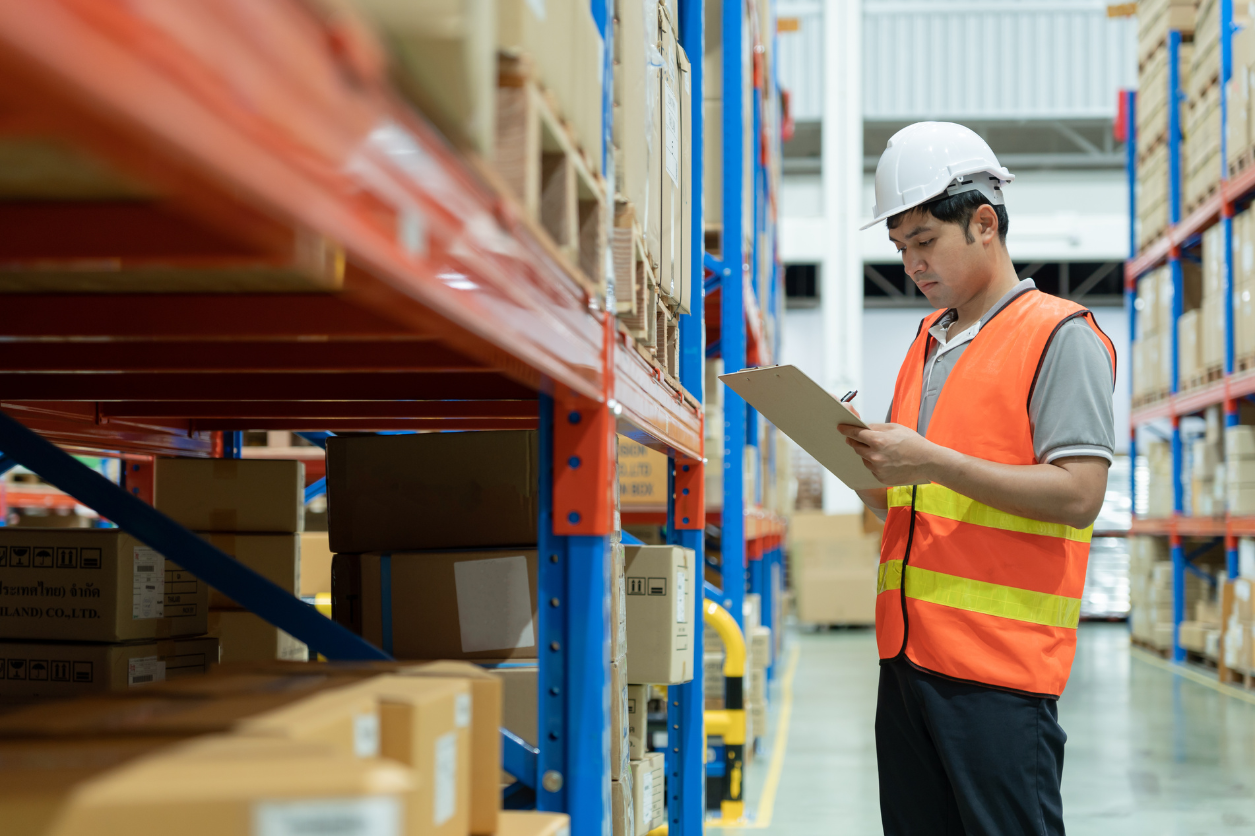
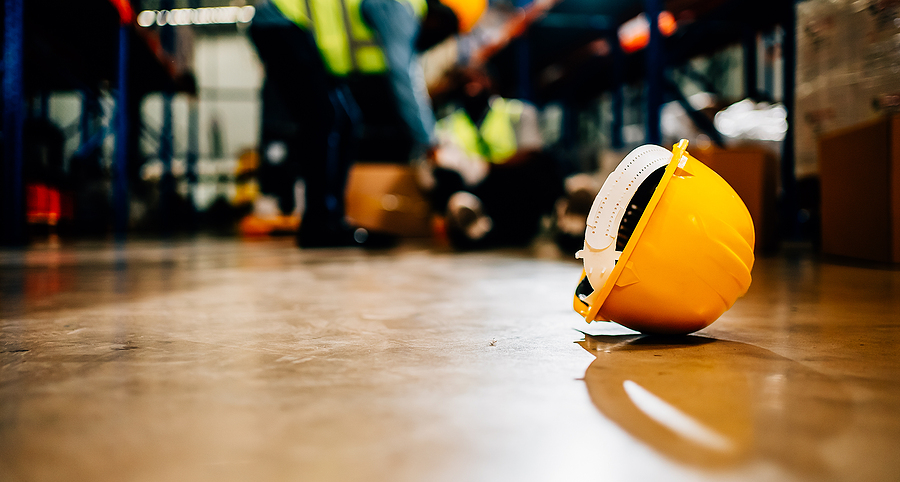
    Warehouse staff who work close to longspan shelving every day have a higher risk of injury than employees in other industries, so it is essential that companies prioritise security measures in order to keep their workers as safe as possible. 

    What are the risks of working in warehouses?

    While warehouses can be perfectly safe places to work, this is only if the business makes sure it adheres to health and safety laws.

    Otherwise, staff members working for a company that does not have an adequate health and safety strategy could find themselves in danger.

    • Lifting heavy objects

    For a start, simply lifting heavy objects could cause them stress and strain, particularly if they have not been trained how to do so. 

    • Unsafe loading and unloading of pallets

    Similarly, if they have not been shown how to load and unload pallets safely or the best way to stack objects of different heights and weights, they could injure themselves. 

    It is essential they do not walk on the pallets or even lean on them, as they could easily fall down and hurt themselves. 

    • Handling forklifts

    Big warehouses require the use of forklifts in order to move and stack items on the shelving. However, according to the British Safety Council, around 1,300 workers in the UK end up in hospital every year after using a forklift.

    Therefore, it is important they are given the appropriate training on how to operate a forklift and the heavy goods it handles.

    Ways to reduce the risk of injury

    These are just a few ways warehouse employees can injure themselves at work, while other dangers include working at height, falling objects, and tripping on the floor. 

    There are many things companies can do to minimise these risks, including:

    • Adequate training

    Appropriate training on how to operate a forklift, how to lift and handle objects, how to remain safe working at height, how to load a pallet correctly, and how to report hazards.

    • PPE

    Providing personal protective equipment (PPE) is also a good way to protect staff, offering them hard hats, eye masks, safety shoes, high-vis jackets and hearing protection as the minimum. 

    • Use warning signs

    It is important to use warning signs when things are not as they should be, such as there has been a spillage on the floor or a piece of equipment is broken. This will alert other employees to avoid this area and stay safe.

    • Safe flooring

    Having a slippery or uneven floor could be the cause of lots of injuries for warehouse staff, so make sure to use anti-slip tape or paint and equip employees with anti-slip shoes. 

    Floors should also be made even, as this will reduce the likelihood of falling when carrying heavy objects to or from the shelves.

    • Regular inspections

    With the best intentions in the world, standards can often slip after a while, so it is important to conduct regular inspections to make sure everything is well-maintained and staff are adhering to the safety guidelines appropriately.

  • What Are The Advantages Of Using A Pallet Racking Storage System?

    What Are The Advantages Of Using A Pallet Racking Storage System?

    One of the most important jobs a warehouse manager has is to optimise storage, so as much can fit inside the building as possible. A great way to do this is with a pallet racking storage system. 

    To find out more, read on. 

    What is a pallet racking system?

    There is a huge variety of pallet racking systems, but they are all designed to enable the storage of items on different levels. 

    They help the materials to be lined up in horizontal rows, so they can easily be accessed and removed from the shelf by a forklift truck. 

    The purpose of a pallet rack is that it helps warehouses to increase the amount of goods it stores by taking advantage of the height of the building and stacking as many pallets on top of one another until they reach the ceiling. 

    What are the main advantages of a pallet rack?

    The main benefit of using a pallet rack system, therefore, is to increase the amount of potential storage space in a building, and enable companies to stack as many products in one place as possible. This saves them from having to spend money on different units to fit the same amount in. 

    Another advantage is being able to have better stock control, as each pallet is conveniently stored. It is, therefore, much easier to keep track of how many pallets there are, where they are, and which ones need moving. 

    It is also able to hold any size load, no matter what the weight or volume is, meaning it can be used for different products over the years. There are no restrictions when it comes to how much the pallet rack can hold, so operations managers can be confident the storage solution can always meet their needs. 

    For warehouses that need to store a large number of pallets, double-deep racks can be used. These enable one pallet to be placed directly in front of the other, maximising the amount of space for storing the units. 

    Depending on the nature of the business and what needs to be stored, it could be worth investing in a pallet racking system that can fit in pallets of various heights. This means it can store things that are of different heights, weights, and materials, and you are not restricted with what can be put on the frame. 

    They are also quick to be delivered and constructed, which means companies that want to get new business going promptly or wish to expand at a fast pace can take advantage of the new storage system as soon as possible. 

    Once the racks have been set up, there is nothing stopping them filling the shelves with products that will get their business off the ground. Therefore, being able to be set up quickly is an important factor entrepreneurs need to consider when growing their business.

  • Mistakes To Avoid When Arranging Your Warehouse Shelving

    Mistakes To Avoid When Arranging Your Warehouse Shelving

    Warehouses can vary wildly in size, shape, scope and workflow, and these will have an effect on basically every element of its design from height to the arrangement of pallet racking and transport routes for forklifts.

    Maximising efficiency is everything, as that can be the difference in many supply chains between meeting your daily, monthly or annual targets, or adding extra unnecessary expenses that could prove costly in the long run.

    However, whilst in the pursuit of the perfect warehouse arrangement for your business, take care not to make these common errors.

    Not Maximising Warehouse Height

    Most warehouses are capable of storing far more pallets through effective racking and stacking than many businesses appreciate, and there are two errors that work in tandem to reduce the amount of space you have to work with.

    The first is not taking advantage of height. With rack heights that can go up to 15 metres and forklifts that can take pallets that high, the most cost-effective way to set up warehouse systems is to build upwards.

    Since it is typically cheaper to buy stronger, higher shelving and build upwards than to buy additional land to expand the storage volume, not taking advantage of every potential square inch of space is a waste.

    This is not an immediately obvious mistake until a business looks to expand, and realises they have a lot of unused space that they have to disrupt their current operations in order to take full advantage of the space they already have.

    It is better to invest in efficient high shelving now rather than having to start afresh or buy new warehouse space later.

    Overly Wide Aisles

    Similarly, with the rise of the narrow-aisle forklift in the 1950s, so much more inventory can be fit into the same space than ever before whilst still being readily accessible.

    As such, having aisles that are too generously wide, whilst it means you can save money on the forklifts themselves, comes at the cost of losing precious storage space, especially given that it costs more to buy additional land than it does to buy more versatile forklifts.

    In both cases, the mistake was not planning for the future, meaning that if you need to expand, your options are expensive relocation or starting from scratch.

    Insufficient Loading And Unloading Space

    The first and final steps of a warehouse workflow are the most important but also the most neglected processes when it comes to assigning and organising space, and this can prove to be a costly mistake.

    The reason comes down to an “out of sight, out of mind” approach to warehouse design, but not allocating enough space for warehouse staff to unload inventory and load goods for delivery to the next stage of the supply chain leads to unnecessary bottlenecks, as well as potential health and safety implications.

    Whilst there is no hard and fast rule surrounding warehouse space and shelving, you should try and assign at least a third of your overall inventory space to both loading and unloading, leaving two-thirds for storage, icking and packing to take place.