Category: Blog

  • Important Steps To Keep Warehouses Safe From Fire

    Important Steps To Keep Warehouses Safe From Fire

    Fire safety is an important issue in any commercial premises, both in terms of preventing a blaze happening in the first place and the procedures in place for responding if a fire does happen.

    The latter is crucial to ensure the fire is tackled and contained as soon as possible before it gets out of hand, as well as ensuring everyone in the warehouse is able to get to a place of safety. However, there are few places where it can be more important to prevent a fire from taking hold to begin with, as many items stored there may be inflammable or toxic.

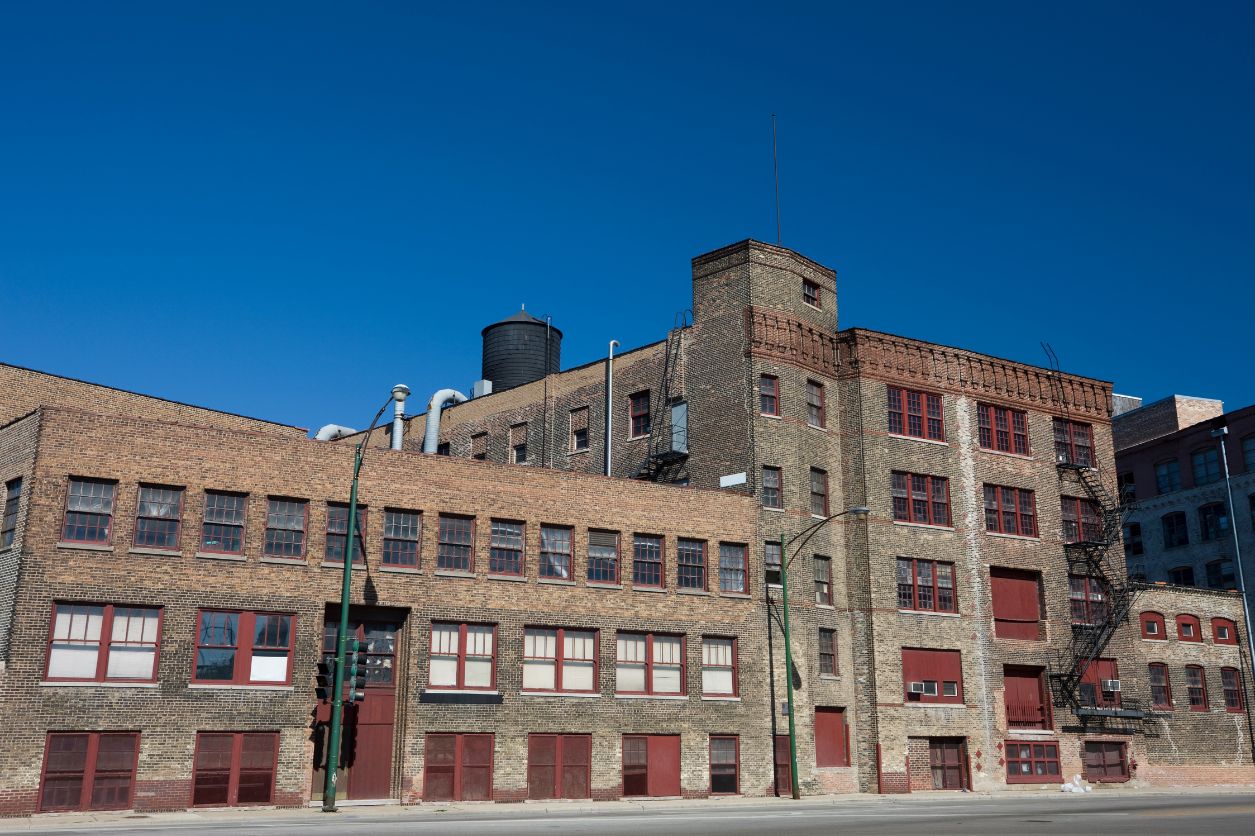
    An example of the scale of fire that can occur was shown by a recent incident in Norwich, when a disused warehouse at a former shoe factory went up in flames. Because the building was not staffed and in use, there would have been no active steps being taken to mitigate against fire risks or stop the initial blaze once it started.

    Of course, such fires can be started deliberately and it remains to be seen what the cause was. But the fact that warehouses are so expansive and there are often no natural firebreaks inside means the risk of any blaze spreading fast and getting out of control is obvious.

    At the same time, if a warehouse is in use and there are toxic or inflammable substances there, matters can get far worse, leading to a greater conflagration and potentially filling the local air with poisonous fumes.

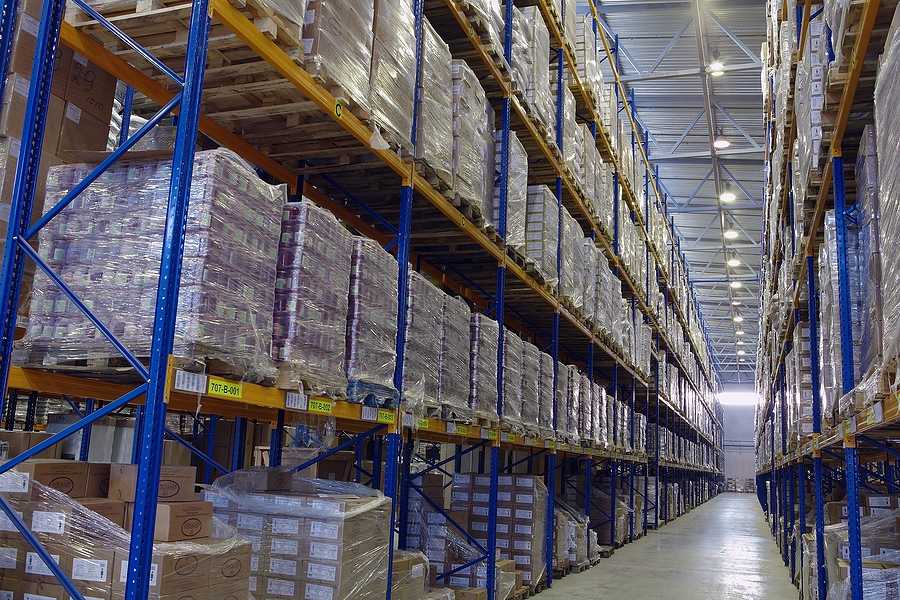
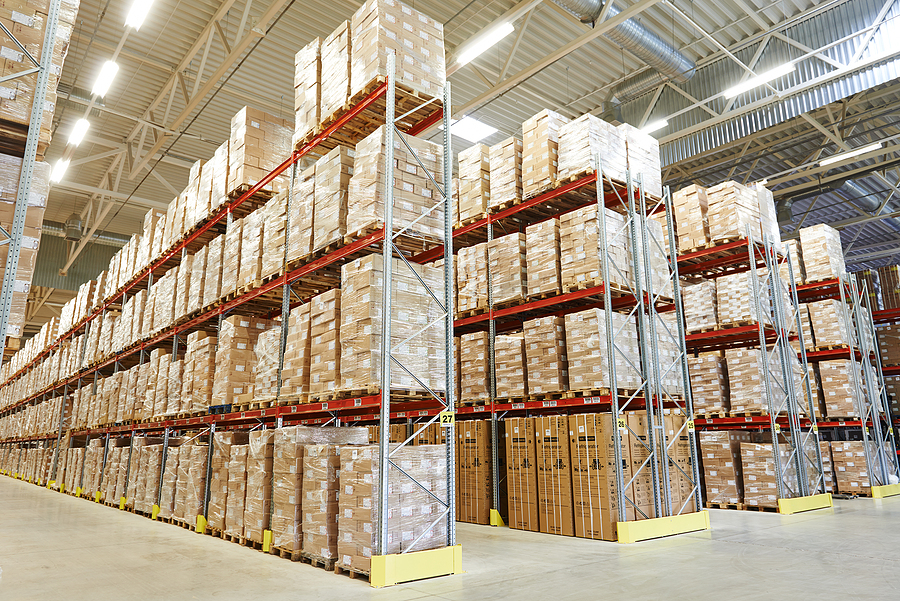
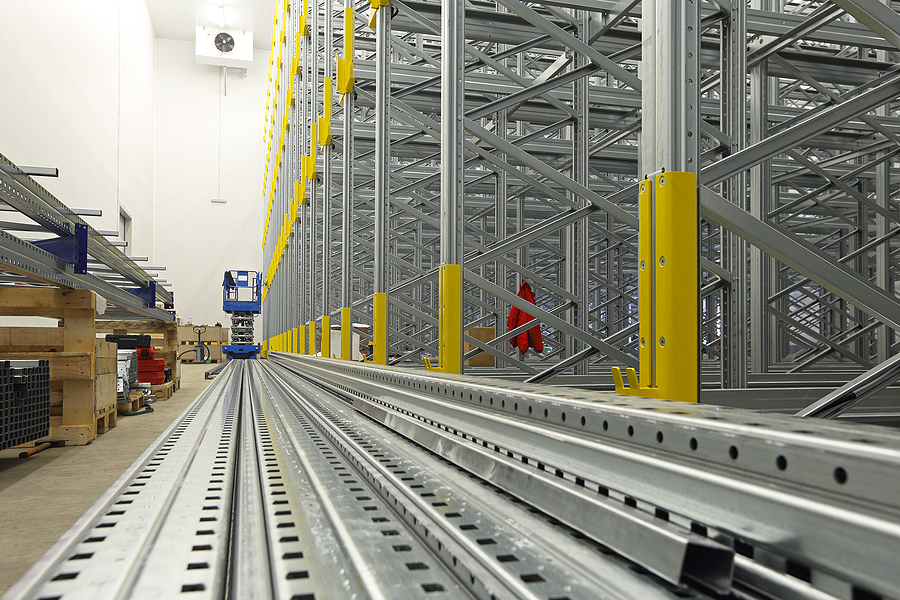
    For those in charge of safety in a warehouse, the use of warehouse pallet storage racks can be a major area that needs attention. These are very efficient in the way they use space, but if the items stored in them are inflammable, it makes sense to buttress them by placing non-flammable items in between them.

    This way, if there is a fire, it becomes harder for the flames to reach the most dangerous items or substances. Alternatively, if for any reason a fire was to start in the vicinity, surrounding them with stacks of non-flammable or less- flammable items could help to contain the fire more easily.

    In any workplace, it is a legal requirement under the Health and Safety at Work Act 1974 to ensure that risks to those employed there are minimised. Fire safety in a warehouse will come under this umbrella and the first thing any employer should do is carry out risk assessments.

    More specifically, there is government guidance available concerning fire risk assessments in factories and warehouses. This helps those responsible perform their duties under Article 50 of the Regulatory Reform (Fire Safety) Order 2005.

    Key points include making sure flammable items are kept away from likely sources of ignition, such as naked flames, steam pipes, electrical heaters, appliances that may malfunction and even exposure to airborne sparks from open fires outside the warehouse door.

    By preventing fires starting, you can do the most to ensure a disastrous fire does not take place. But how and where you store and stack flammable goods is also important in reducing risks to the lowest possible levels.

  • What Were The Oldest Commercial Shelving Units Ever Found?

    What Were The Oldest Commercial Shelving Units Ever Found?

    Once the right infrastructure is put in place, many businesses place so much trust in their commercial shelves that they often do not think about just how important they are for the smooth operation of their business.

    This is, of course, largely the point. Outside of making the right choice of racking and installing it in the most efficient way, shelving is something that is largely quietly appreciated. If it is being remarked upon, that can be a problem in itself.

    However, shelving is an often-unsung historical hero, particularly when it comes to the history of business and industry.

    Shelving was a large part of why the Arsenal of Venice was the most efficient and well-regarded shipbuilder in the world for centuries and ensured that the grain in the public warehouses of Ancient Rome would not spoil.

    Effective shelving is a quiet but vital part of history, one which every business writes, but one of the oldest shelving units ever found not only made history but also preserved it in a way never thought possible.

    Shelving And The Lost City Of Ebla

    The ancient city of Ebla (also known as Tell Mardikh) was the power centre of one of Syria’s oldest kingdoms, one that was so old to be effectively lost to history, were it not for the shelving units that were commonly used in its bureaucratic and political hubs.

    It was such an important trading centre in the Near East that it was destroyed and rebuilt twice, and in all three instances, it retained that position as the heart of a vast network of trade arteries that reached as far as Cyprus and Afghanistan.

    In the second half of the third millennium BC, known retrospectively as the Age of the Archives, a location known as Palace G was the home of a wide range of documents stored on clay tablets, containing a mix of stories, rituals and a vast store of economic records, housed on solid, partly recessed wooden shelves.

    Palace G was burned down around 2300 BC, according to archaeologists who ultimately had shelves to thank for finding these answers.

    Whilst the details of the cause of the fire have never been agreed upon, with theories ranging from a natural disaster to the conquest by Sargon of Akkad or his son Narim-Sin, the nature of the destruction and the shelving managed to preserve history rather than destroy it.

    Clay tablets can be baked to make them solid and extremely hard-wearing, and the nature of the strong wooden shelving and the nature of their eventual collapse pancaked and kept the tablets in order and in remarkably good condition.

    When Ebla was rediscovered in 1974 by a team of archaeologists led by Paolo Matthaie, he discovered on over 1800 complete tablets an astonishing amount of information about how people lived and how people did business in the Early Bronze Age.

    There were many records of trades between Ebla and other nearby kingdoms such as Ugarit, Canaan and Ugarit, and even a list of beers that were made and sold both inside and outside of the city walls.

    It also revealed how the Sumerian language developed, being an education centre training people to be scribes, and its transition from a language made up of unspeakable logograms to one that could be both written and spoken.

    All of this would not have been possible were it not for a set of hard-wearing shelves, which proves how important the choice of racking has always been throughout the history of business. 

  • How To Maintain Health And Safety Standards In A Warehouse

    How To Maintain Health And Safety Standards In A Warehouse

    Running a warehouse is not an easy task. There is a large space to be operated and maintained, copious quantities of goods coming in and out on any given day and a myriad of staff working on site. However, some elements of the operations of a warehouse are absolutely essential.

    Health and safety is right up at the top of the list. Sometimes the very phrase gets a bad rap, such as when it is used as an excuse by someone to do something controversial like cancelling a popular event. But a warehouse can be a dangerous place, so it is crucial to follow the law.

    The most important piece of legislation to be aware of is the Health and Safety at Work Act 1974. In the first instance, Part 1.2 states: “It shall be the duty of every employer to ensure, so far as is reasonably practicable, the health, safety and welfare at work of all his employees.” (a ‘her’ may alternatively be used now; this was 50 years ago, of course.)

    Secondly, you must also abide by section 1.3, which states that where non-employees may be affected, their safety should be protected too. In the case of warehouses, this means customers and clients bringing and taking away goods need to be kept safe too.

    Ensuring a safe environment in a place that may have some industrial heavy duty racking means that care needs to be taken to ensure the racks are stable and properly assembled, as any instability risks a collapse and will endanger anyone nearby, as well as potentially causing very costly damage to goods.

    This may be the most obvious safety issue. Others concern the conduction and actions of people working in the warehouse. One of the most important is working at height.

    According to statistics published recently by the Health and Safety Executive (HSE), falls from height accounted for 50 of the 138 worker deaths in 2023-24. While these would seldom be in warehouses (construction accounted for 51 deaths and by nature will often involve working at height), many more serious injuries can be added to this.

    This means that when someone is using equipment to reach higher areas of shelving, they must do so using a secure platform. Making sure the right equipment is used by anyone working at height is a specific requirement of the Working at Height Regulations 2005.

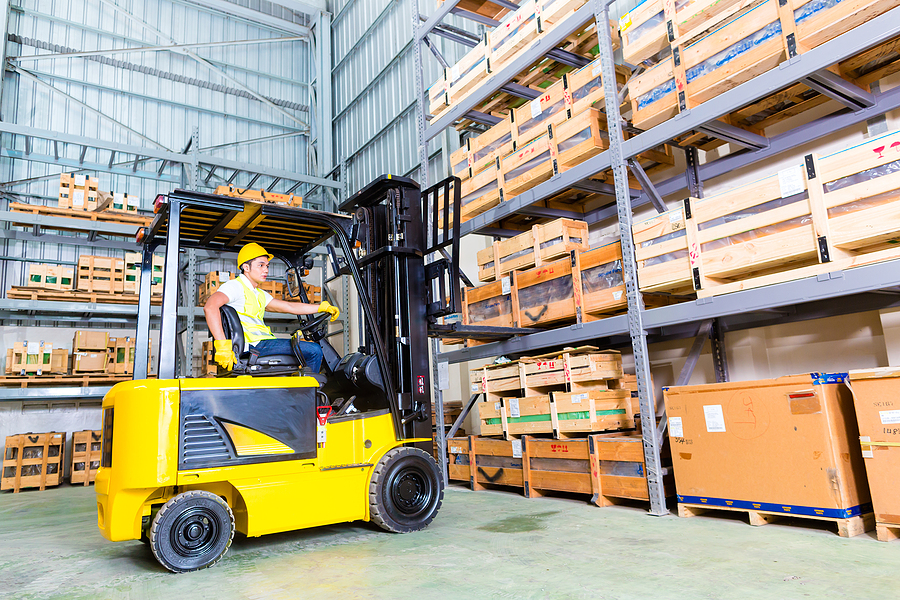
    The use of forklift trucks surely tops the list for health and safety in warehouses. Accidents involving them are a major risk area, either because people are hit by them or due to items they are carrying not being secured property.

    In June this year, the HSE reported on the case of a firm being fined £160,000 over a dreadful incident at a warehouse in Warrington in which two pallets being carried by a forklift were not secured. As a result, they fell off and struck a worker, causing severe crush injury to his legs that led to him having to have them both amputated.

    The HSE statistics showed that in 2023-24, 11 people died in the transportation and storage sector, which includes (but is not restricted to) warehouses. Many more were injured. Such incidents are nearly always avoidable, and with the right training and procedures you can prevent your warehouse from being the scene of a catastrophe.

  • Is A FIFO Or LIFO Stockroom Shelving System Better?

    Is A FIFO Or LIFO Stockroom Shelving System Better?

    In all aspects of industrial design, form follows function, and the most effective stockroom shelving system available will depend a great deal on how it is used.

    This concept is far from new and is fairly universal, but when it comes to pieces of furniture, fixtures and fittings that are essentially required for any storage space to function, it is very easy to forget that not every shelving system is the same.

    There are many different types, from pallet racks to shelves designed around picking and packing with bins and containers to match, but generally, they are built around how items are stocked and moved in the particular warehouse or stockroom.

    Whilst not always universal, there are generally two main approaches to inventory management, both on the financial side and on the storage side; these are first in, first out (FIFO) and last in, first out (LIFO).

    Both systems have their own variations and neither will restrict the ability of a warehouse operative to access whatever inventory they need to at any given time, but they do have efficiency implications and generally, one type of warehouse will inherently gravitate towards one or the other.

    Why Choose FIFO?

    Besides making the most sense in a lot of different circumstances, a FIFO system is essential for certain industries which have time-critical products, as the designs of these systems make it so that the oldest products going in are the first products to be accessible on the picking side.

    There are several rack filing systems that use FIFO, but typically, most conveyor or push-roller systems will incorporate a FIFO system on the other side of the fulfilment centre.

    There are various ways of achieving this, and the ultimate goal is to keep stock moving through the supply chain roughly ordered by when it was received.

    There is a very obvious use case for FIFO, which is in the world of perishable goods. With meat, produce and other goods that have a very short shelf life, FIFO means that the oldest products (and therefore the ones with the nearest use-by dates) will be picked, packed and shipped first, reducing spoilage as much as possible.

    Even outside of food management, where FIFO is essentially mandatory, seasonal businesses that rely on time-sensitive stock will rely heavily on a FIFO system in order to ensure that seasonal items are stocked in a timely and ordered fashion.

    Why Choose LIFO?

    There are a lot of benefits to a FIFO system, but the price to pay for an ordered system is relative inefficiency; it is far easier to create a shelf storage system where the last items placed are the first to be taken out.

    Most drive-in pallet racking systems work this way, allowing forklifts to simply place inventory into a warehouse in a way where it will rather quickly end up used.

    There is less movement, which by design means less travel distance, more efficiency in space and allows for far easier long-term storage.

    Typically it is used for stock that either moves on extremely quickly, such as top sellers, or stock that is relatively fungible in the sense that any one product is largely identical to any other irrespective of time on the shelf.

  • Why Did The First Warehouses Have Prototype Racking Systems?

    Why Did The First Warehouses Have Prototype Racking Systems?

    The modern warehouse system, consisting of commercial shelves, pallet racking, and highly efficient use of space in logistics centres, did not completely coalesce until the 1950s, but the core elements started to take shape long before this.

    The forklift originated with the Tructractor in 1917, although it can be traced to several manual hoist systems that were invented far earlier. 

    Meanwhile, the pallet, which became the standard storage unit for logistics, had its modern origins in 1921 but has been traced back to the Pyramids of Giza, at least based on some concepts and depictions of its manner of construction.

    As for shelving, the largest and most critical piece of the puzzle, whilst the modern design of pallet racking largely came about after the Second World War, they actually might have their origins in Ancient Rome, and some of the first warehouses ever made.

    The Logistics Of The Horrea

    The horreum was a public warehouse initially used by the Roman Empire in the second century BC, originally primarily used to store grain. Indeed, the Latin word was initially used to refer to any granary before being more specifically connected to these prototypical warehouses.

    The Roman Empire, especially at its peak, had a logistics system thousands of years ahead of its time, as well as a remarkable level of preservation and documentation of many of these systems.

    The horrea found in Rome were believed to have been an initiative led by the tribune Gaius Gracchus, a social and legal reformer who managed to bring in a wide number of significant laws before being killed as a result of his political enemies declaring martial law.

    They were gigantic, even by modern standards, and rested on multiple floors with ramps leading to the upper floors in larger cities and ports such as Rome and Ostia.

    The remarkably modern innovations do not end there; they were deliberately built thicker than normal buildings with narrow, high windows and elaborate locks that all reflect certain design paradigms seen even in modern warehouses.

    However, one of the most interesting aspects of the early warehouse system is that the grain rested on raised platforms, primarily to stop the potential risk of mould and damp spoiling what was a vital supply of food for the local area.

    Some horrea that have been unearthed even had tabernae shopping areas, which suggests the presence of an early form of the warehouse club store concept that has since become extremely popular with big box retail stores starting to open in the mid-20th century.

    What was far less advanced, of course, was the logistics for loading items into horrea, which involved huge numbers of labourers painstakingly carrying huge bulk goods up and down the ramps.

    Whilst the biggest horrea were found in Rome and other huge cities across the Empire, almost every town and fort had a horrea, such was the demand for food in a growing empire, particularly after the enactment of the Cura Annona, a subsidised supply of grain and bread to the citizens of Rome that became vital to the state as a whole.

  • What Was The First Modern Factory And Did It Shape Shelving?

    What Was The First Modern Factory And Did It Shape Shelving?

    An efficient warehouse will always be limited by its most inefficient point, which is why as much priority needs to be placed on shelving and racking design as on forklift routing, assembly line manufacturing and any other more visible elements of your industry.

    Whilst this maxim of modern logistics is well-known and well-respected today, it is not quite as recent a concept as one might expect. In fact, a focus on efficiency might have been a part of the first modern factory in history.

    This naturally begs the question of whether a pioneering factory nearly a thousand years ahead of its time was ahead of its time when it came to racking systems, having some form of structured shelving before the pallet, the forklift and containerisation.

    The Shelves Of The Venetian Arsenal

    The concept of pooling resources and building finished goods in bulk for people to buy is hardly new. Mills and factories have existed for as long as civilisations have, although the precise storage of the finished items before they were sold has sadly been long lost to time.

    One exception to this is the Arsenal of Venice, which potentially existed as early as the 8th Century AD under the Byzantine Empire, although it started to develop into its more recognisable form starting in 1104.

    By the time of the writing of Dante Alighieri’s Divine Comedy in the 14th Century, the Arsenal had become so well-known for its efficiency that it was immortalised.

    During an era dominated by the guild system and slow construction practices based on tradition and highly skilled work, the Arsenal was a glimpse at the Industrial Revolution and showed what would be possible with a focus on a prototypical assembly line.

    The work was separated into stages, each with standardised parts, workers trained in a very specific part of a job rather than the entire trade, as well as using storage to help streamline the entire process.

    It even had a way to move incomplete ships through the factory by taking advantage of a canal that made it easy to pull a boat across to each construction station rather than having the workers go to the boat under construction.

    It would only get more advanced with the development of Arsenale Nuevo, an even larger, more efficient system, which allowed for more ships to be built even quicker. At the peak of the Arsenal’s powers, an entire ship could be built in a day that would otherwise take months.

    The complex also featured stores of naval supplies, including rope, rigging, munitions and anything else a naval vessel would need at this point. All of these elements would be highly efficiently stored for easy access in a manner not dissimilar to racking, albeit without the pallets.

    The entire system was centuries ahead of its time, and once Napoleon Bonaparte destroyed vast chunks of it in 1797, it would take a century before anything similar was seen again with the modern assembly line pioneered by Random Olds of Oldsmobile and perfected by Henry Ford.

  • Why Warehouses Should Add Extra Capacity Before Christmas

    Why Warehouses Should Add Extra Capacity Before Christmas

    The approach of Christmas means warehouses will be extremely busy stocking and moving consumer goods, with the shopping season producing high demand and requiring that suppliers have plenty of storage from which they can distribute the items to stores so that they in turn can keep on filling their shelves.

    In recent years, it has not just been high street stores requiring stock as the expansion of e-Commerce has meant the growth of services by which consumers purchase online and receive packages in the post after despatch from distribution centres.

    However, while patterns of distribution and logistics have changed, some factors may be of deep concern to those involved in running warehouses, as there are limits to what can be done about them.

    A prime example is if items are imported, as any problems with shipping or other issues that prevent the goods from coming to the UK mean that there can be severe problems in meeting demand. For example, between 2020 and 2023, the automotive and electronics industries were hit by a semiconductor shortage that impacted both markets.

    However, in some cases, extra warehouse racking can provide more capacity and enable firms to pre-empt potential problems by getting extra stock in, which can protect against any upcoming shortages.

    A potential threat could come from increased disruption of shipping using the Red Sea and Suez Canal. The Ever Given incident in 2021, when a huge cargo vessel got stuck in the Canal for several days, showed just how much disruption could be caused as other ships either backed up behind it or took the longer route around the Cape of Good Hope.

    This route has also been subject to more regular problems from pirates operating from the Horn of Africa, especially Somalia, as well as Houthi rebels in Yemen. The latter intensified attacks on shipping earlier this year, with a focus on vessels aligned with countries seen as allies of Israel as the Gaza war continues.

    In the latter case, the situation could be about to get worse, as Reuters has reported that the Houthis and Russia have held talks in Tehran about a deal that will see Russian anti-ship missiles being supplied to the rebels to attack ships in the Red Sea.

    It is believed these missiles could be supplied in retaliation to the possible use of Western missiles by Ukraine. Should this happen, the danger and disruption could see significant delays in imported goods reaching the UK and other European destinations, with potential stock shortages as a result just as Christmas approaches.

    Another possible problem could come if there is a major flare-up in Covid infections as immunity wanes and hospitalisation rates increase amid the growth of the XEC strain, apparently more transmissible than previous Omicron strains. 

    While another lockdown is almost unthinkable, at least some people may be wary of going out, or too ill to do so if they catch it, both of which would mean more shoppers switching from high street shopping to online purchases.

    This won’t make warehouses serving physical stores busier (quite the opposite), but will put extra pressure on facilities serving the e-commerce sector.

    Quite simply, those stocking up for Christmas may find patterns of supply and demand are not what they expect, which is why it makes sense to add extra racking and get more stock in early.

  • How Long Will Warehouse Racking Last Without Replacement?

    How Long Will Warehouse Racking Last Without Replacement?

    Logistics and supply chain businesses often operate so quickly that it is easy to forget how they rely so heavily on systems so robust and fundamental that they often fade into the background, such as warehouse racking.

    Along with the pallet and the forklift, the racking system is critical to the effective operation of any logistics system, and it is almost impossible for many companies to function without it.

    Because of this, a major concern for a lot of warehouse owners and operators is the lifespan of the racking units, in order to minimise the amount of significant disruption caused by major repairs or replacement of a rack unit.

    It is also essential for safety reasons, as it allows warehouses to keep track of which parts of the racking system may need to be replaced and allows for a swift and safe transfer of materials.

    Many manufacturers have a recommended operating lifespan, which tends to range from between a decade to up to 25 years, depending on make, model and materials.

    However, these estimates assume ideal operating conditions and many warehouses have somewhat variable operating and environmental factors that can have a detrimental effect.

    What Factors Affect The Lifespan Of Racking?

    There are countless variables when it comes to racking, but many of these individual factors can be categorised into various groups.

    The first set is environmental conditions, such as operating temperatures, humidity, exposure to moisture and corrosive substances, all of which can either damage the racking directly or affect the galvanised coating or corrosion-resistant finish of the metal.

    This is a bigger issue with coastal facilities such as docklands, which are significantly affected by the salty sea air, as well as businesses that regularly handle volatile and corrosive materials.

    As well as this, one of the biggest factors that affect how long racking can be used is how often they are used.

    If a racking system frequently experiences loads that are higher than they are rated for, it will eventually fail over time. Similarly, forklift impacts or other breaches of operational guidelines can cause structural damage that compounds over time.

    Whilst this can be concerning, many of these factors can be mitigated by a robust set of operating guidelines, risk assessments made based on the holistic conditions of the warehouse itself, and establishing a protocol for removal and replacement that minimises disruption where possible.

    There are some shelving units, materials or finishes that are more resistant to environmental factors than others, and whilst this will come with a cost premium, the savings will come through longer uninterrupted function and fewer replacements.

    A firm set of operating guidelines, including speed limits for forklifts, clear warehouse markings and signage to clearly display the rules will help to prevent damage and harm caused to the racking and anyone working around it.

    Finally, the modular nature of racking means that it can be removed and replaced in segments, and an efficient protocol to do so will mean that most of the rest of the warehouse can be used whilst the racking is being professionally replaced and reinstalled in place. 

  • Everything A Warehouse For A Large Building Site Needs

    Everything A Warehouse For A Large Building Site Needs

    Almost everyone agrees that the UK needs to build more homes, although there are always plenty of arguments about exactly where they should be built. But with a new government place, there is a renewed determination to ‘get Britain building’, with a target for 1.5 million homes to be built in this parliament.

    Some of that is about changing planning law, such as reclassifying ‘low quality’ green belt land as ‘grey belt’, but further measures are planned, with deputy prime minister Angela Raynor announcing the launch of a new expert group called the Home Delivery Accelerator, which has the task of kick-starting work at 200 stalled construction sites.

    Ms Raynor said: “Our New Homes Accelerator will quickly identify blockages, fix problems and support local authorities and developers to get shovels in the ground.” The body will be made up of experts from the Ministry of Housing and Homes England.

    However, an upturn in construction is only possible with physical resources behind it. That means having the workforce, the materials and somewhere to storm, as well as heavy duty racking to bear the weight when they are in storage.

    All those bricks, bags of mortar, breeze blocks, paint and so much else do not appear by magic. Even on-site they need to be stored somewhere safe and dry, where they cannot be disturbed, damaged, spilled, or contaminated.

    Before they can be brought to the site, however, they need to be manufactured and stored ahead of time. That means warehouses stocking materials will be needed in reasonable proximity, either by establishing new facilities or using existing space where it is available.

    It is in such a warehouse that heavy duty racks will be required to deal with the heavier material. While wood is light and breeze blocks are not too heavy, bricks are another matter and some kinds of natural stone, are still favoured for homes in many rural settings, even more so.

    Because many of the materials will be harder and heavier than many other items that are commonly stored in warehouses, staff will also need to be well trained to deal with and eliminate the extra safety risks involved, for example, if a pallet of bricks should topple over or a steel frame fall.

    Above all, the need for staff, training and shelving could all increase if the UK really is to raise its levels of housebuilding in line with the needs of the population.

    Construction activity may be rebounding anyway, given the positive figures for the sector in the most recent survey data showing activity growing at its fastest rate in over two years.

    Add to that the encouragement of easing inflation, faster economic growth and the first of what may be several interest rate cuts to encourage mortgage lending and construction firms may be very busy indeed. Any extra government support, such as planning law changes and intervention to restart stalled schemes will add to growth that is already set to happen.

    What constructors need alongside this is the warehouse facilities to support their efforts, ensuring the capacity is there to support a surge in building while not compromising on safety or risking damage to the stored products.

  • How Did Warehouse Racking Shape Forklifts And Vice Versa?

    How Did Warehouse Racking Shape Forklifts And Vice Versa?

    The size, shape, scale and efficiency of modern stockrooms and warehouses have been shaped by the evolution of three main elements: shelving, pallet storage and forklift trucks.

    All three of these elements, as well as the containerisation of the supply chain, meant that by the 1960s logistics, warehouse storage and stockroom shelving had entered the modern age, and refinements of each of the three elements would have a ripple effect on the others.

    Why is this the case? How did the warehouse shelf shape the forklift, how did the forklift shape the pallet, and how did the pallet further shape the warehouse shelf?

    From The Soil To The Heavens

    Once the building materials and components were available to do so, warehouses started to get as big and as tall as they could practically be whilst still being usable spaces.

    The core principle of this comes from the property principle of ad coelum or the idea that whoever owns a piece of land owns it from the depths of the earth all the way to the edge of space, at least in theory.

    In modern property law, this is no longer the case for various practical reasons, but the principle remains that the most efficient warehouse design is as high as possible before the cost of building a tall building reaches the point that it costs more to build up than it would be to buy land.

    Initially, warehouses were limited to the technology used to build shelves that could store high loads at great heights, as well as the apparatus needed to lift loads onto higher shelves.

    Before the lift truck, the main way to lift a heavy load was the same pulley systems that had been used for thousands of years.

    When the forklift was invented, this started to change the fundamental shape of the warehouse by allowing loads to be moved far more easily and quickly, creating the foundations of a logistics system.

    This was enhanced by the development of a compatible, easy-to-construct and easy-to-recycle pallet system, which enabled the standardisation of goods and an end to an era of difficult-to-handle bulk cargo, although both concepts still exist to this day.

    Pallets allowed for standardised quantities of goods to be easily loaded and unloaded, and once forklifts were designed to be compatible with this, it led to the development of adjustable shelving systems and later pallet racking designs.

    This allowed forklifts to effectively load and unload without the requirement of additional people or equipment, and as the warehouse process became more efficient, the limiting factor for how much a warehouse could effectively store was no longer based on the shelving but the capabilities of the forklift.

    By the 1950s, narrow-aisle forklifts allowed palletized goods to navigate tight spaces with less difficulty, meaning that racking and shelving units could be placed closer together but still be accessible to a forklift.

    Reach trucks then allowed forklifts to reach higher, and since this point, it has been a matter of scale, sophistication and advanced technology to avoid disruptions in the process.